Pressure Washing
Soft washing or pressure washing for Dallas County siding?
By Chris Kohutek
Last updated August 27, 2026
Two methods, two purposes
Pressure washing and soft washing are not the same tool. Pressure washing uses a directed high pressure spray to lift grime from hard surfaces like concrete and brick. Soft washing uses a lower pressure with a cleaning solution, so delicate surfaces are cleaned without being etched.
The mistake that damages homes is hitting everything with the same force. Siding, glass and finishes call for soft washing, while driveways and walkways take real pressure. Matching the method to the surface is what protects the material.
When to soft wash
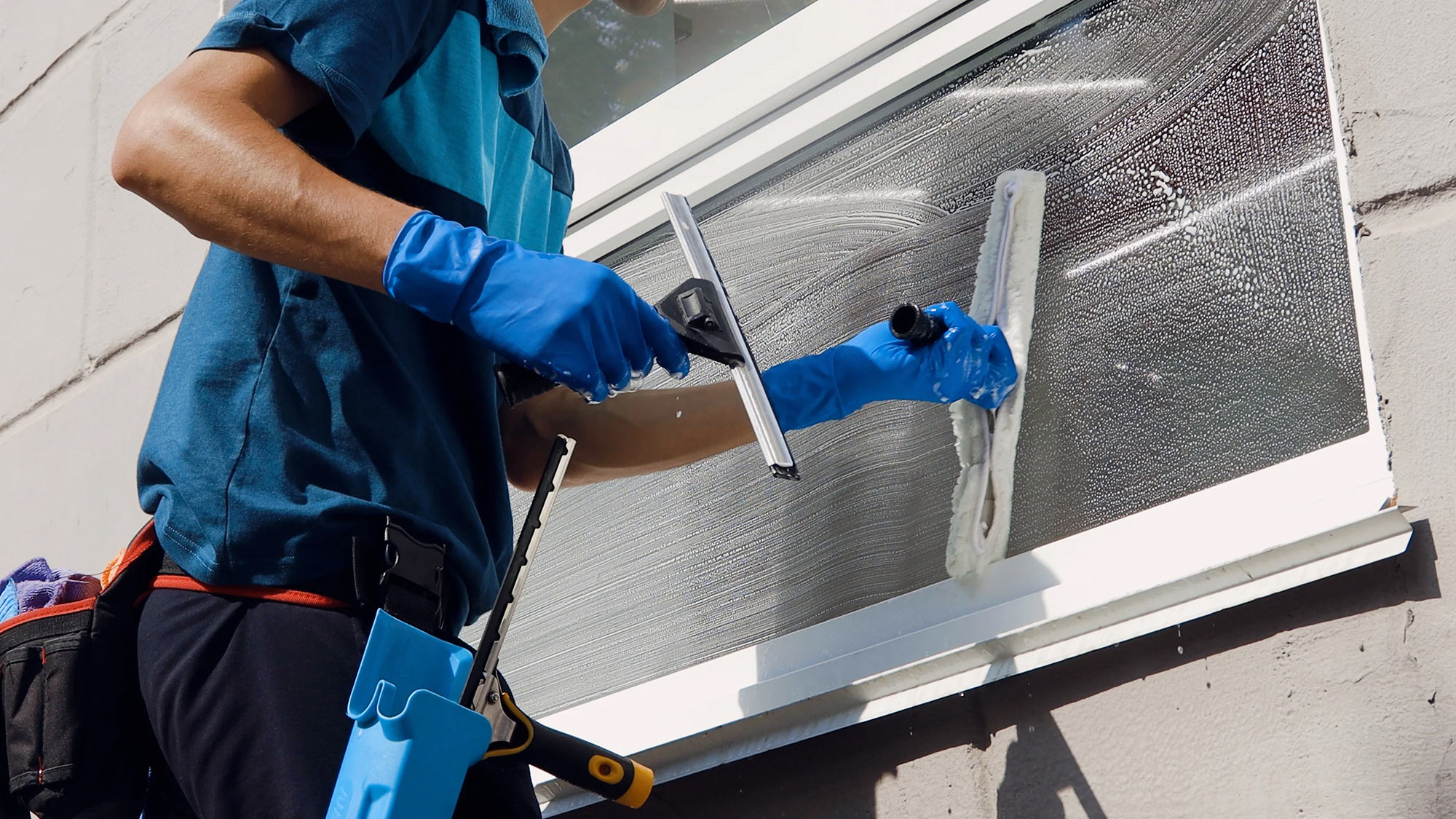
Soft washing is the right choice for siding, stucco, glass and painted surfaces, where high pressure would drive water behind the material or strip the finish. The cleaning solution does the work, lifting algae, pollen and pollution film, and the low pressure rinses it away gently.
In Dallas County, siding that has darkened with algae or pollen is a soft wash job, not a pressure wash. The same goes for screens and window frames, where a hard spray would bend or damage the material.
When to pressure wash
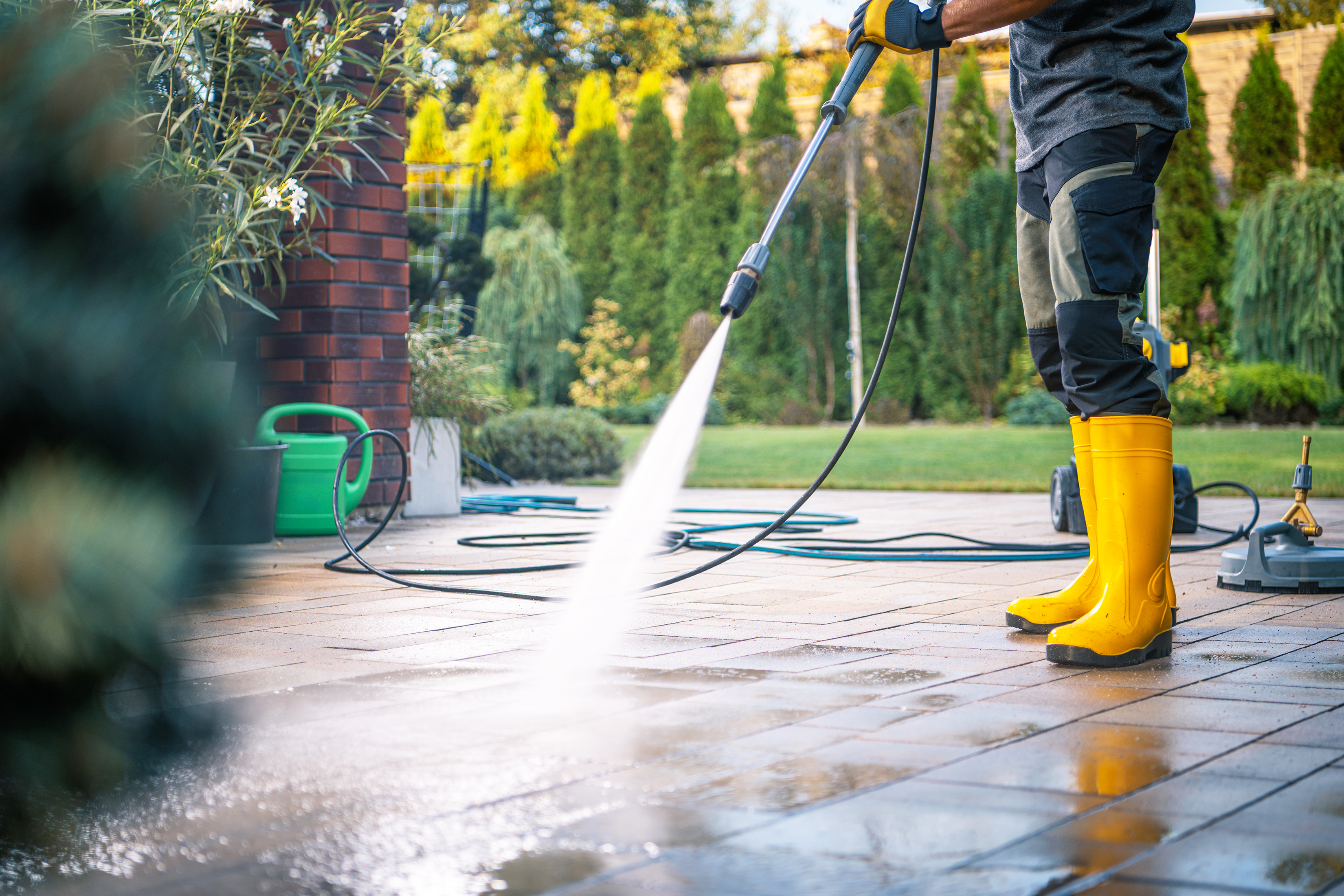
Pressure washing belongs on concrete, brick and other hard, nonporous surfaces. Driveways, walkways and patios collect oil, tire marks and organic growth that need real pressure to lift, and the surface can take it without damage.
Even on hard surfaces, the angle and distance matter. A close, steep spray can etch concrete or leave streaks, so the pressure is matched to the stain and the surface. Surrounding plants are rinsed before and after so the runoff does not harm landscaping.